

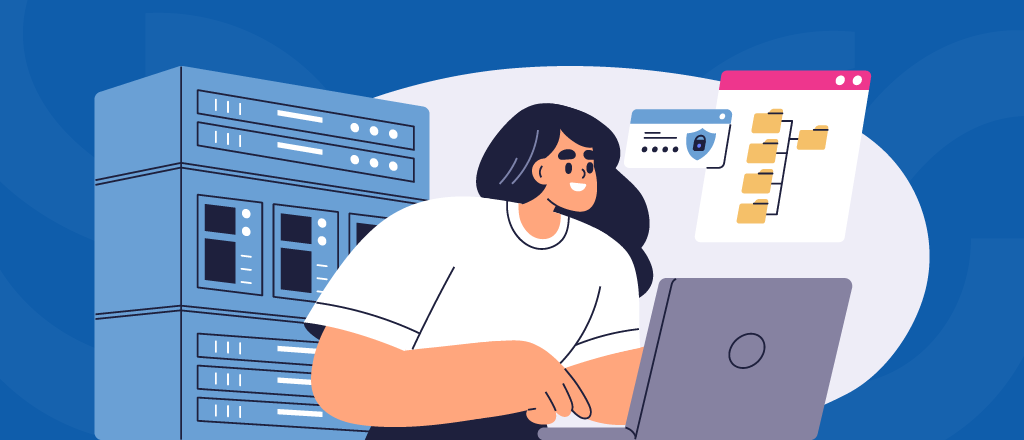
Maintaining technological infrastructure and systems operational are key pillars of IT support. To ensure flawless operation, it’s essential to rely on appropriate solutions and qualified professionals.
With digital transformation, organizations require advanced solutions to provide users with a high-level and relevant experience. Moreover, financial losses due to unexpected downtimes, often caused by cyberattacks, are becoming increasingly significant.
Therefore, efficient planning and strategic actions are vital for IT assets to achieve optimal performance.
In this article, we will highlight the main aspects of IT support. The goal is to raise your awareness of the importance of adopting this practice intelligently and effectively. Read on!
IT Support: What Is It and Why Is It Important?
IT support encompasses a set of actions that ensure the proper functioning of hardware and software used by an organization. This includes preventive and corrective maintenance of equipment, software updates, implementing security measures, and managing IT assets.
There’s no denying that the IT sector plays an increasingly strategic role in the corporate world. This requires greater care with the performance of technological solutions.
However, merely investing in cutting-edge resources to boost team productivity and retain customers isn’t enough. It’s also crucial to implement procedures that minimize the risk of failures affecting the availability of digital services.
IT sustainability is also fundamental to an institution’s ability to deliver innovative solutions to its target audience. For instance, there’s no point in having ideas that simplify users’ lives if there’s no technological support to bring them to life.
In other words, it’s essential to have reliable equipment and systems that can add value to the services offered. This can be achieved through cloud computing solutions, offering greater flexibility and scalability, or adopting automation practices to optimize processes and reduce costs.
This is a critical area where IT managers must stay vigilant. A robust and reliable IT infrastructure can boost productivity, lower costs, and enhance the company’s competitiveness.
The Importance of IT Support for Your Company’s Success
IT support ensures that equipment and systems operate as expected. It prioritizes critical updates and maintenance, contributing to the organization’s overall performance.
Additionally, analyzing IT incidents is crucial in identifying procedures to minimize errors and mitigate the risks of unexpected downtimes.
Evaluating the current scenario enables precise corrections in systems and hardware, which is essential for IT support.
Naturally, this process must align with the organization’s goals. For example, if a company aims to enhance the quality of its digital services, it must ensure its technological solutions help achieve this objective as efficiently as possible.
To accomplish this, organizations must improve processes to keep IT assets functioning optimally. Without this initiative, the company risks losing competitiveness and market presence.
Benefits of Implementing IT Support
There’s no doubt that IT support offers numerous advantages. To help you understand these benefits more clearly, here are the key advantages of adopting this practice:
1. System and Application Maintenance
IT support is crucial for companies, ensuring service continuity and operational efficiency. It monitors and manages the technological infrastructure, keeping systems updated and secure. Swift technical support resolves issues quickly, maintaining user productivity.
In system and application development, IT support facilitates agile practices and continuous integration. It collaborates with developers to deploy new systems and monitors performance, proactively addressing issues. This enables businesses to adapt to market changes while aligning their systems with business strategies.
2. Increased Service Availability
Efficient maintenance and updates of IT assets ensure high availability of the company’s digital services. This strategic initiative helps the business stay aligned with the latest market trends.
3. Focus on Information Security
Developing an information security policy is a critical step to mitigate risks. However, this process is only viable when IT management is correctly implemented.
Proper care of system and equipment performance is vital for protecting corporate networks. With data protection regulations like the General Data Protection Law (LGPD), ensuring secure information handling is no longer optional but mandatory.
4. Improved IT Planning
Technological infrastructure must meet an organization’s demands. This trend has become even more prominent with digital transformation, which has significantly altered consumer purchasing habits in recent years.
In this context, IT support emerges as a necessary practice to refine planning and execution efforts aimed at enhancing the performance of crucial systems and hardware.
5. Optimized User Support
Quick and efficient issue resolution is essential for technological resources to be a competitive advantage. When this mindset is adopted, IT support is also integrated into user support activities for both internal and external users.
The faster and more efficient the support, the greater the likelihood of technological tools adding value to services and boosting productivity.
How to Effectively Implement IT Support in Your Company
First, it’s necessary to follow a plan focused on keeping IT assets fully operational. This includes software and hardware maintenance activities and updating them regularly.
Another crucial step is educating employees about proper software installation practices. Ideally, the IT team should map all tools used within the work environment.
Performance monitoring of IT assets is also recommended to ensure proper IT management implementation. It’s essential that IT practices are integrated with internal processes to guarantee data security and enhance employee productivity.
If you want to delve deeper into the role of digital solutions, it’s worth reading this article on the allocation of IT professionals in companies. Knowledge is key to making the best decisions!